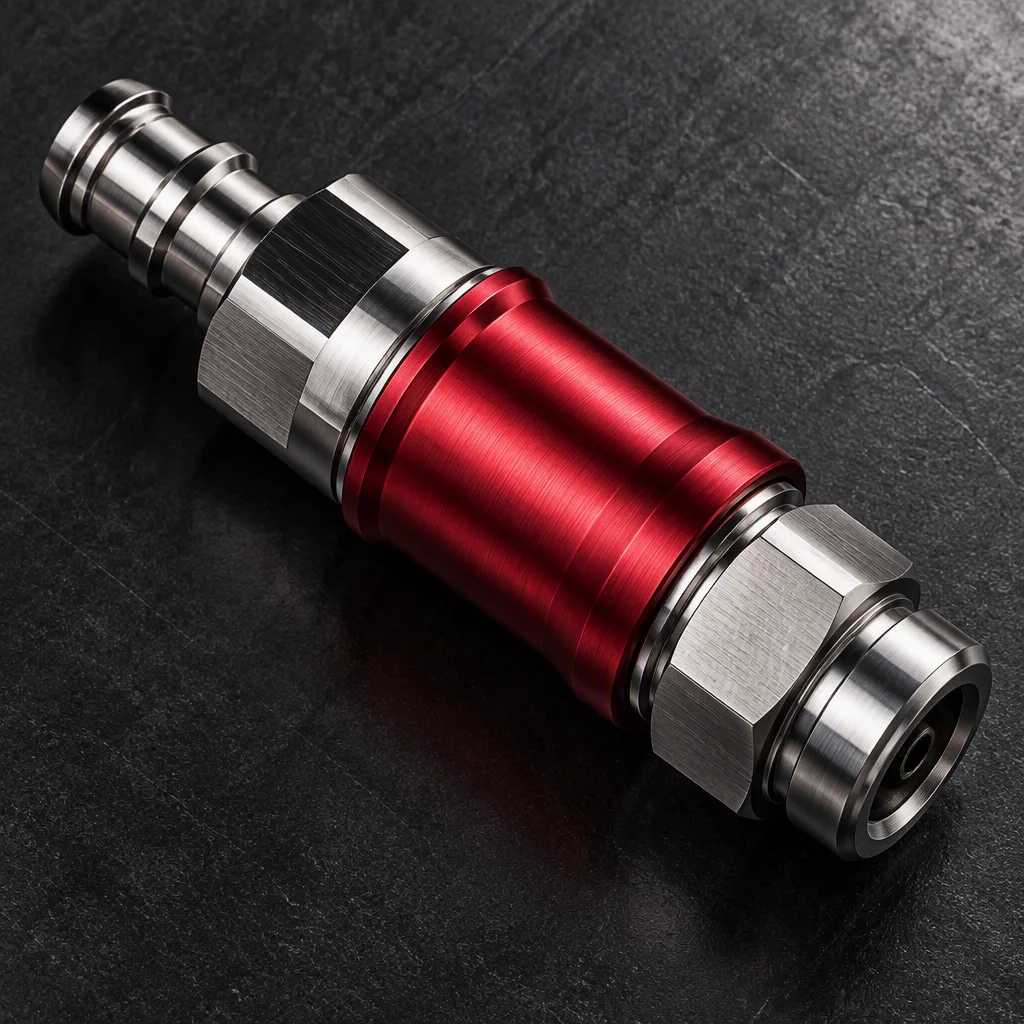
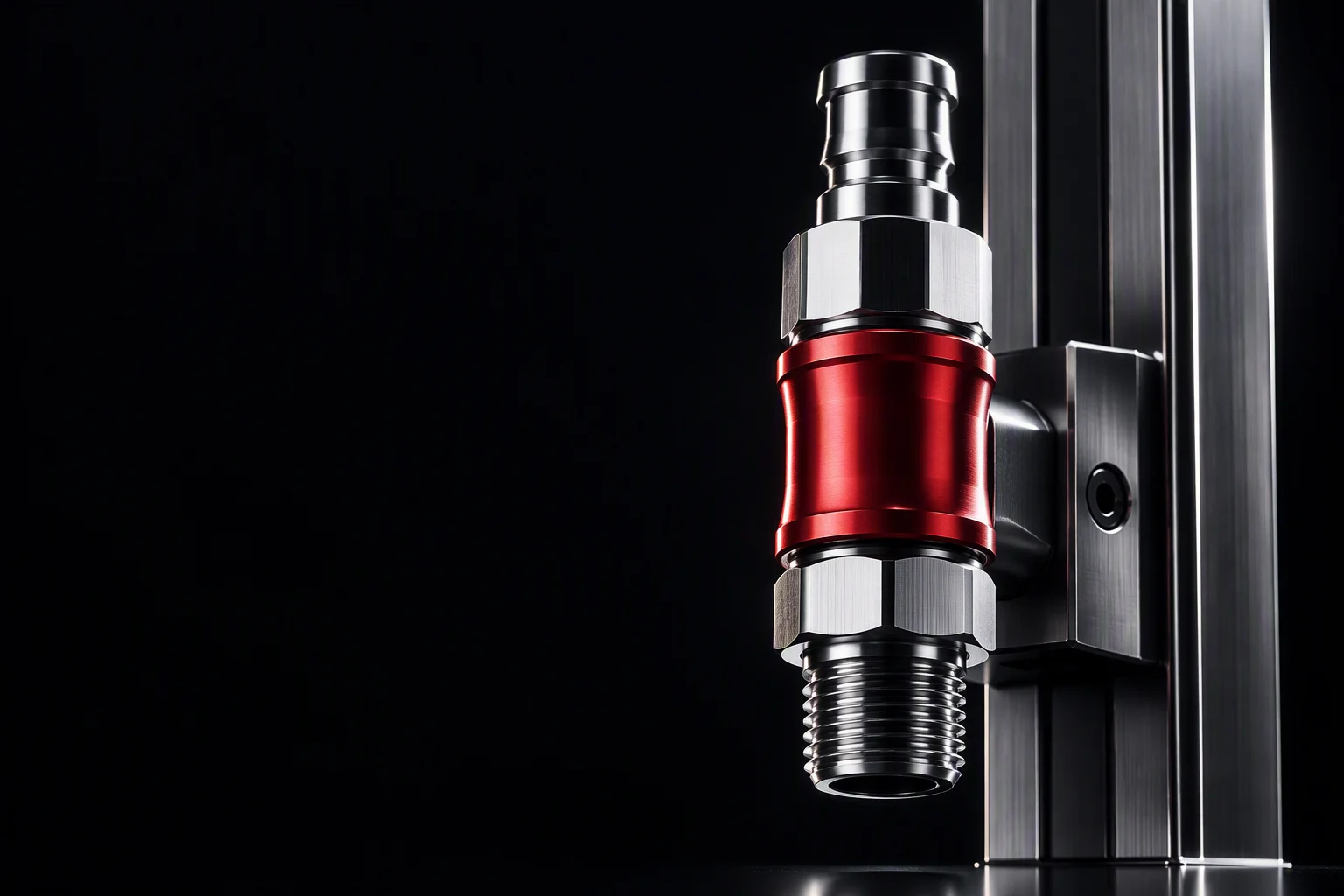
About DryLink · OCP-standard connectors
About DryLink — Connectors for the Liquid Cooling Era
We build to the OCP UQD and UQDB specifications and write the datasheet before the brochure.
Request spec sheetOne industry, one interface, one thing we refuse to get wrong.
Direct-to-chip liquid cooling — where a drip is a shutdown, not a spill.

The ground we build on
Market · cadence · working language · scope
Market
The rack-manifold market runs at roughly $257M in 2025 and expands with AI build-outs. industry-published market figure, QYResearch, 2025
Watch cadence
Demand signals are reviewed quarterly rather than annually, so a sizing question is answered against the current build-out, not last year's catalogue.
Working language
English datasheets are the export default; drawings and first-article documents are issued in English on the same revision.
Scope
UQD and UQDB couplings plus rack manifolds stand in one programme, so a loop is sourced from a single drawing set instead of two vendors' port lists.
Where these parts end up is the industries page; the port rows they land on are on the manifold page.
How the datasheet is written
Parameter · published benchmark · the check you run
Our datasheets are written against industry-published benchmark specs, so a buyer can compare line by line instead of taking a sentence on trust.
Left rule: the parameter. Middle column: the industry-published benchmark. Right column: the check a buyer runs in their own stack-up.
10 bar
Working pressure in the benchmark series, so a pressure question is answered against a published figure rather than against a claim. Check it against the loop pressure the CDU actually holds. industry-published benchmark
AISI 303
Body material in the benchmark series. Check it against the wetted-material list your fluid supplier publishes, because the fluid decides which body grades are admissible. industry-published benchmark
Dual EPDM
Seal construction in the benchmark series. Check it against the fluid you run before the BOM is frozen — the seal is the part the fluid attacks first. industry-published benchmark
Where the benchmark and our drawing set disagree, the gap drives the roadmap and it is named rather than glossed. The test side of the same argument is on the quality page.
The bore ladder
Four size families · one ladder · no conversion
One tick per size family, in ascending order. The values below are the published benchmark ladder, not a conversion table.
Bore ladder
Flow diameters run 3.2 mm, 6.4 mm, 9.5 mm and 12.7 mm across the four size families. industry-published benchmark ladder
Stated against it
Datasheets state the size family against this ladder, so a line-by-line comparison needs no conversion step between suppliers.
Ecosystem
UQD-series design practice appears inside the partner network of a major AI-accelerator vendor. That is a recognition reported in the market about the series, not an accreditation held by this site and not a relationship we can evidence. in-market
Numbering
Our part numbering is ours; the interface is the specification's. A plug and a socket from different makers share an envelope because they are designed to the same document, not because they share a catalogue.
The four size families in full are on the UQD page; the blind-mate class is on the UQDB page, and the tolerance it floats on is in the design guides.
The programme, in four steps
Drawing-first · prototype-first · FAI · one owner
01
Drawing-first
The loop diagram or the rack elevation leads; the part number follows it. A quotation without a drawing is a catalogue price, and we do not write those.
02
Prototype-first
A T1 lot is issued before any production commitment, so the fit and the seal are checked on a part rather than on a projection.
03
FAI-documented
First-article paperwork is issued with the sample lot, and on a custom part the rounds are documented as they happen rather than reconstructed at the end. process capability
04
One engineering contact
One person owns the file from drawing to ramp, so a question about the seal face and a question about the packing list reach the same desk.
A request is answered in one business day, in English, with a one-page spec sheet.
Where the programme runs
Machining bay · bench rig

The bodies and the seal seats in the ledger above are cut on a bay like this one, then measured — the finish is a gauged property, not a visual one. Showing the floor is not a claim about capacity: it is the answer to "who actually machines the part I am specifying".
The processes that run here, station by station, are on the capabilities page; the gauging discipline is on the quality page. What the four steps above look like once a loop is attached to them is project support.
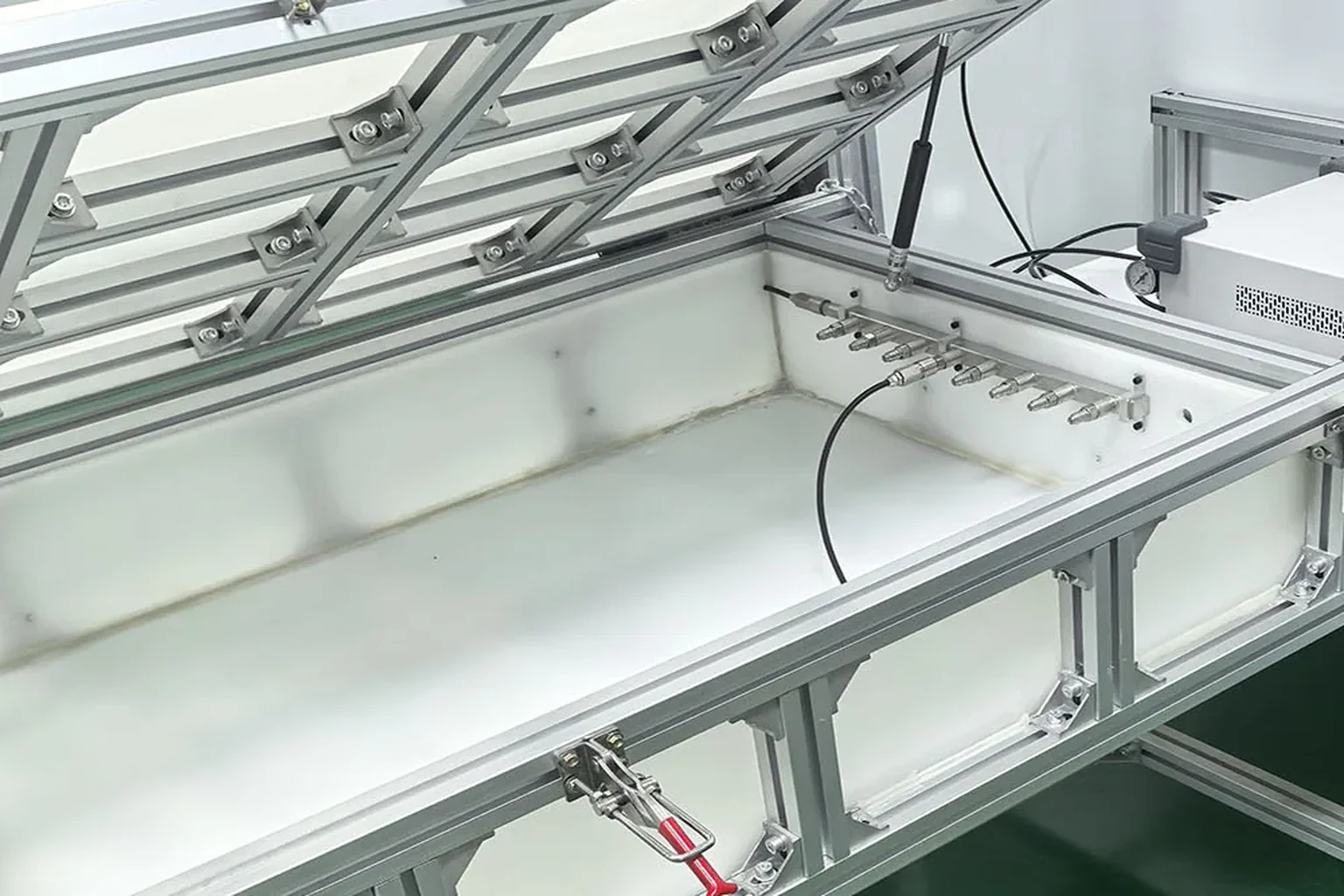
Photographs of the shop floor. They are shown as the environment the parts on this page come from — a machining bay and a bench rig — not as evidence of a capacity, a test result or a cleanliness claim; those live on the quality page and the factory page.
The certificates behind the process
Eight management-system scans · full frame · unretouched
Everything else on this page is a statement about how we work. These eight are the documents behind it: the management-system certificates held by the manufacturing organisation that produces the parts on this site. They are shown as issued — full frame, unretouched, unexcerpted — because a certificate is only evidence if you can read it.
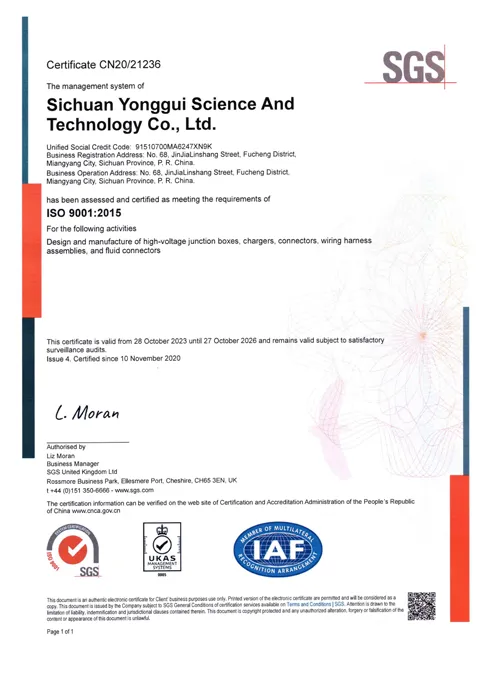

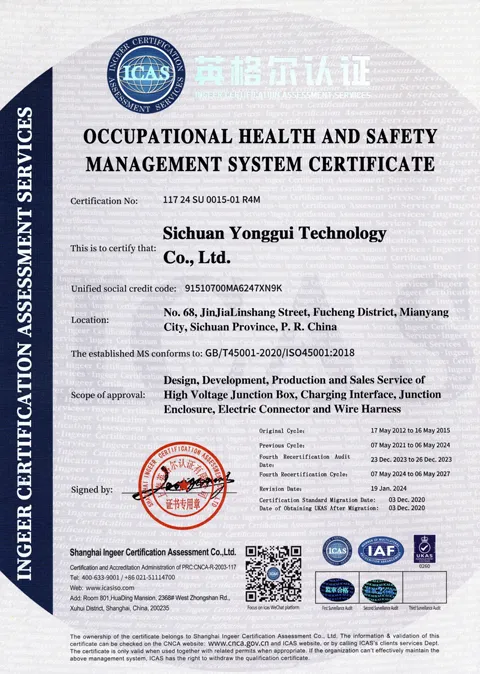
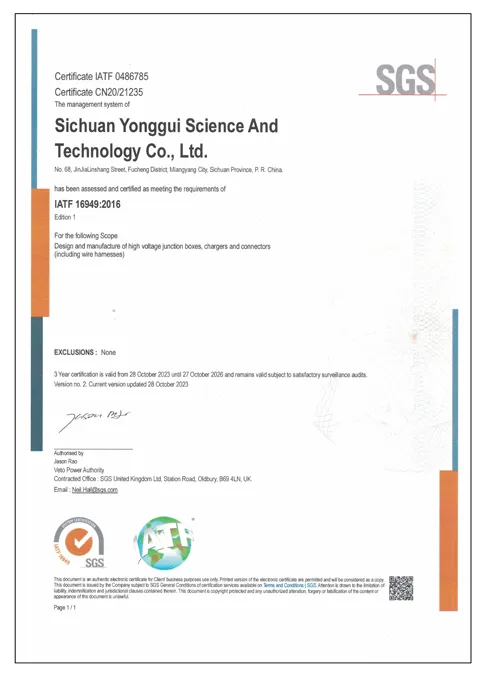
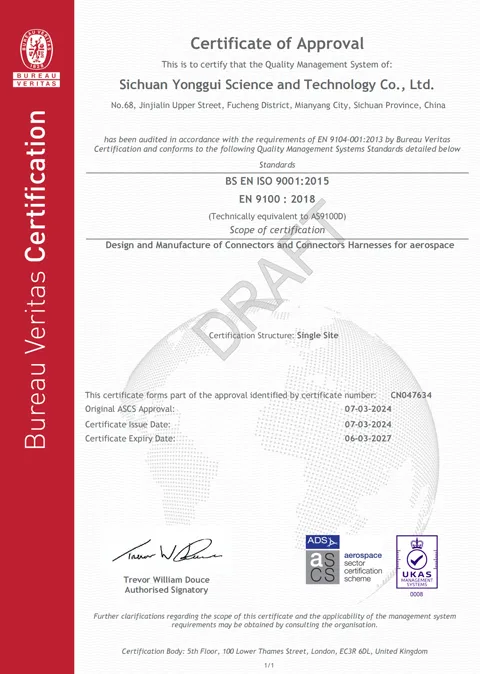
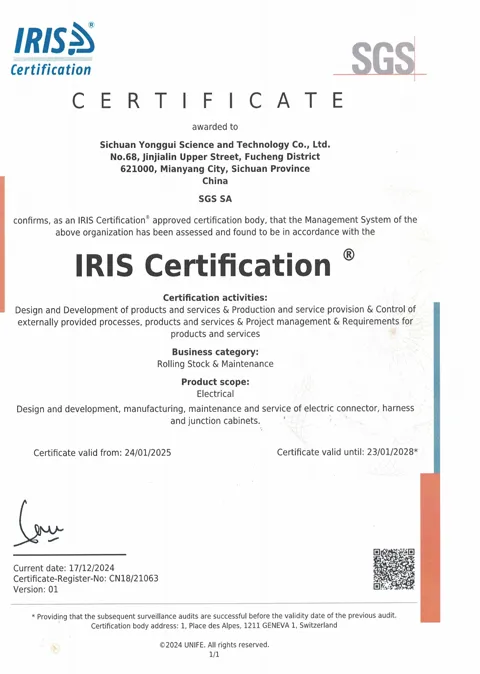
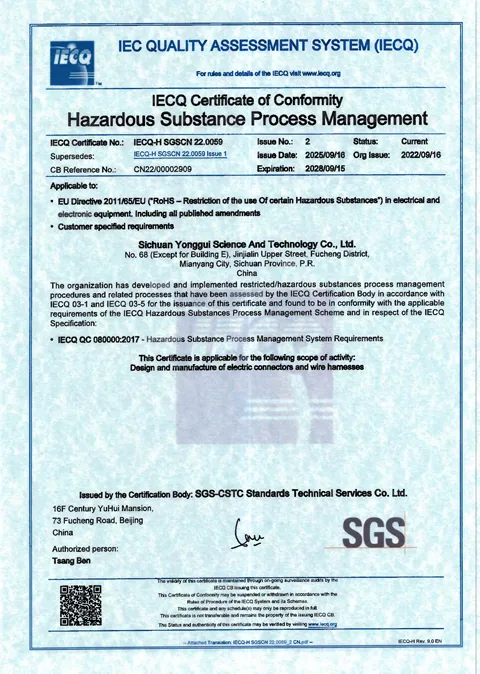
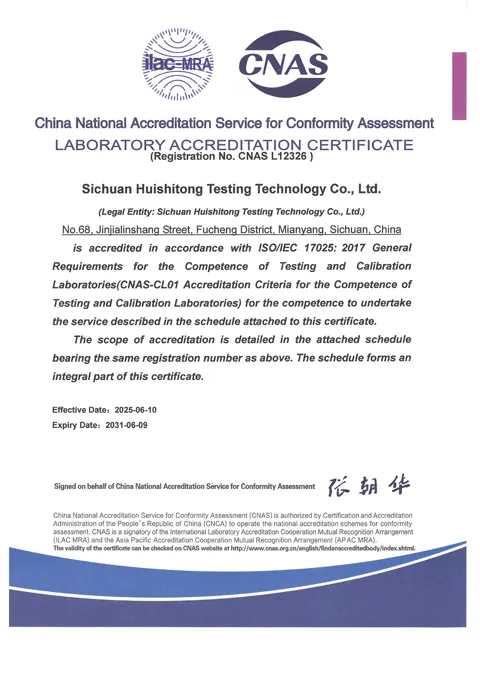
Read them for what they are. Each one covers a management system and the site it was audited at; none of them is a test result for an individual part, and the laboratory accreditation is held by an independent testing laboratory rather than by the factory. The holder named on the documents is the manufacturing organisation, not the brand on this site. Certificate numbers are printed on the scans; they are not transcribed into this page, and nothing here should be read as this site holding the accreditation itself.

Spec sheet · benchmark ledger · English documentation
Ask for the datasheet, not the brochure.
Send the interface or the rack standard and the reply carries the pages that can be checked: the parameter, the benchmark it is written against, and the drawing revision it belongs to.
Request spec sheet One business day · English quote + a one-page spec sheetBetter yet — send a drawing and we will mark it up.