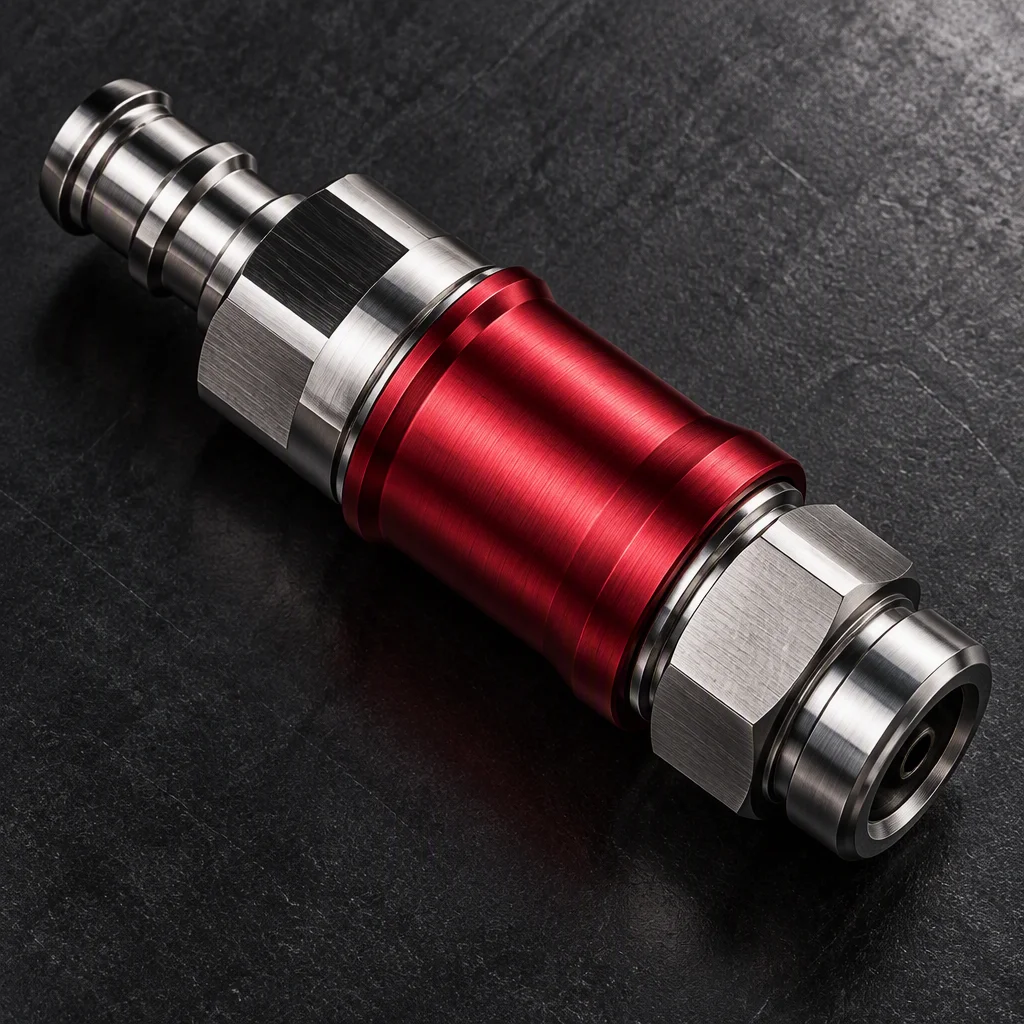

PG25 loops · spares
Parts that survive the wrench
Service teams live on chemistry and spares.
Request the spares kitStart with the fluid, not the fitting
Chemistry first · compatibility per compound
PG25 · 75 / 25
The mainstream coolant on these loops: 75% water, 25% propylene glycol, with an inhibitor package that varies by supplier. industry-published benchmark
Compound level
Seals (EPDM class) and plastics (PPSU class) are verified compound by compound against inhibited glycol, not declared by material family, because a family name does not survive a glycol loop on its own.
Per fluid lot
The compatibility sheet is revised with the fluid lot, so a change of coolant supply is a documented change rather than an untested one. The long form of this is the PG25 compatibility note.
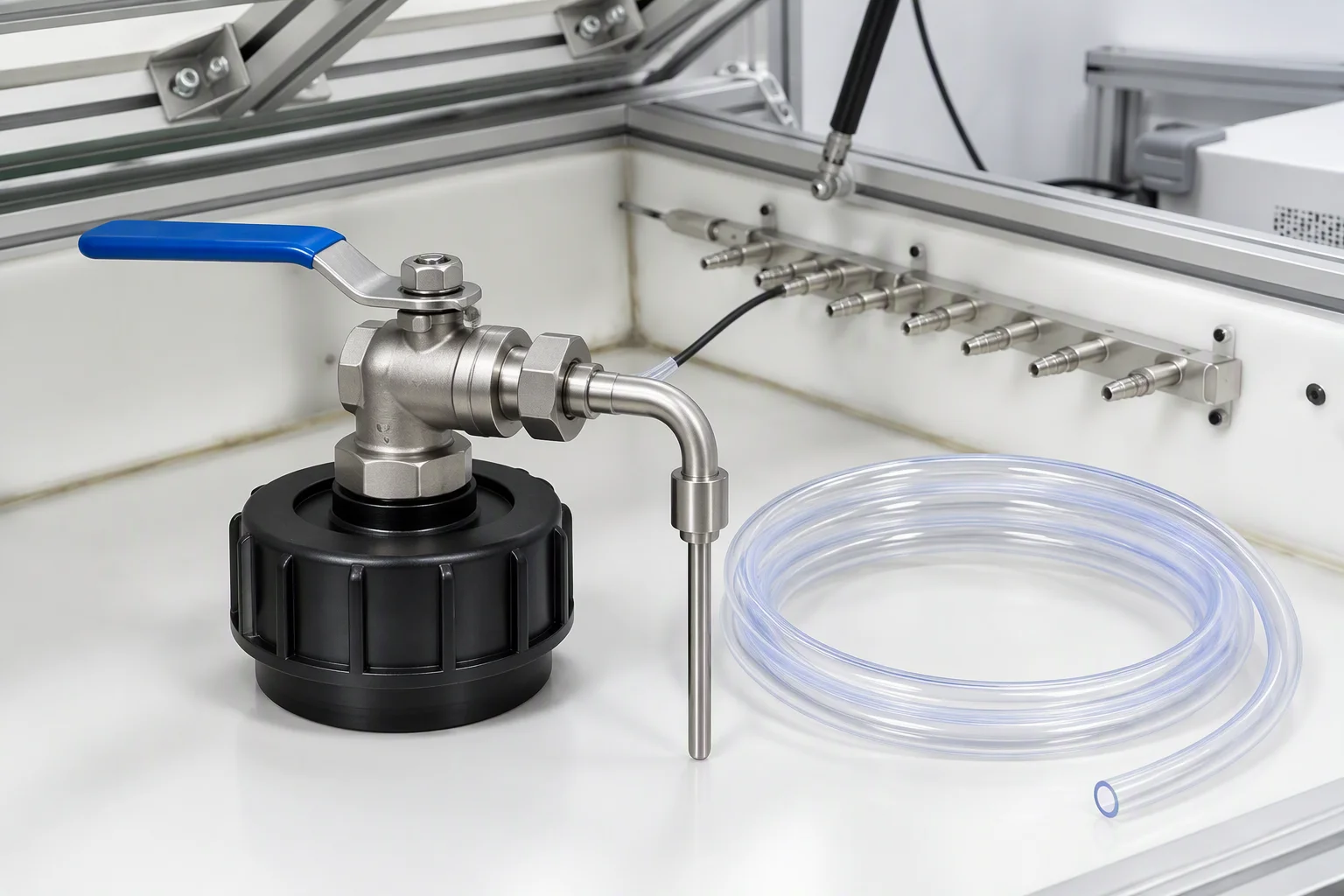
A compatibility question starts at the drum: which fluid, which lot, which inhibitor package, and then which seal and which plastic in the parts that touch it.
A stock-out turns an outage into a long one
Outage cost · MTTR lever · site tier
Share of respondents whose most recent significant outage passed six figures. industry-published benchmark
On-site spares are the one lever on mean time to repair that does not wait for a delivery.
The critical-spares list is tiered by site class and by the maintenance route, not by catalogue volume.
The gaps, and the half that ships with the parts
Named gaps · published retrofit review · industry-published benchmark
Neither gap is closed by a catalogue. One is closed by documentation, the other by the people who read it, which is why both are listed here as deliverables rather than as marketing lines.
Isolate, swap, verify
Isolate · swap · verify
Step 1 · Isolate
Dry break
Cabinet or row isolation. A dry-break coupling comes apart without spraying, which is what makes the work possible on a live row.
Step 2 · Swap
One cycle
Every service action is one pressurised connect/disconnect cycle, so a spare is selected on cycle life rather than on appearance. industry-published benchmark
Step 3 · Verify
Re-pressure
Re-pressure and leak-check before the loop goes back into service, and before the next cabinet is touched.
Cycle-rated spares for hot-swap routes: chosen on cycle life, not on looks.

Storage is part of the specification
Window · rotation · audit
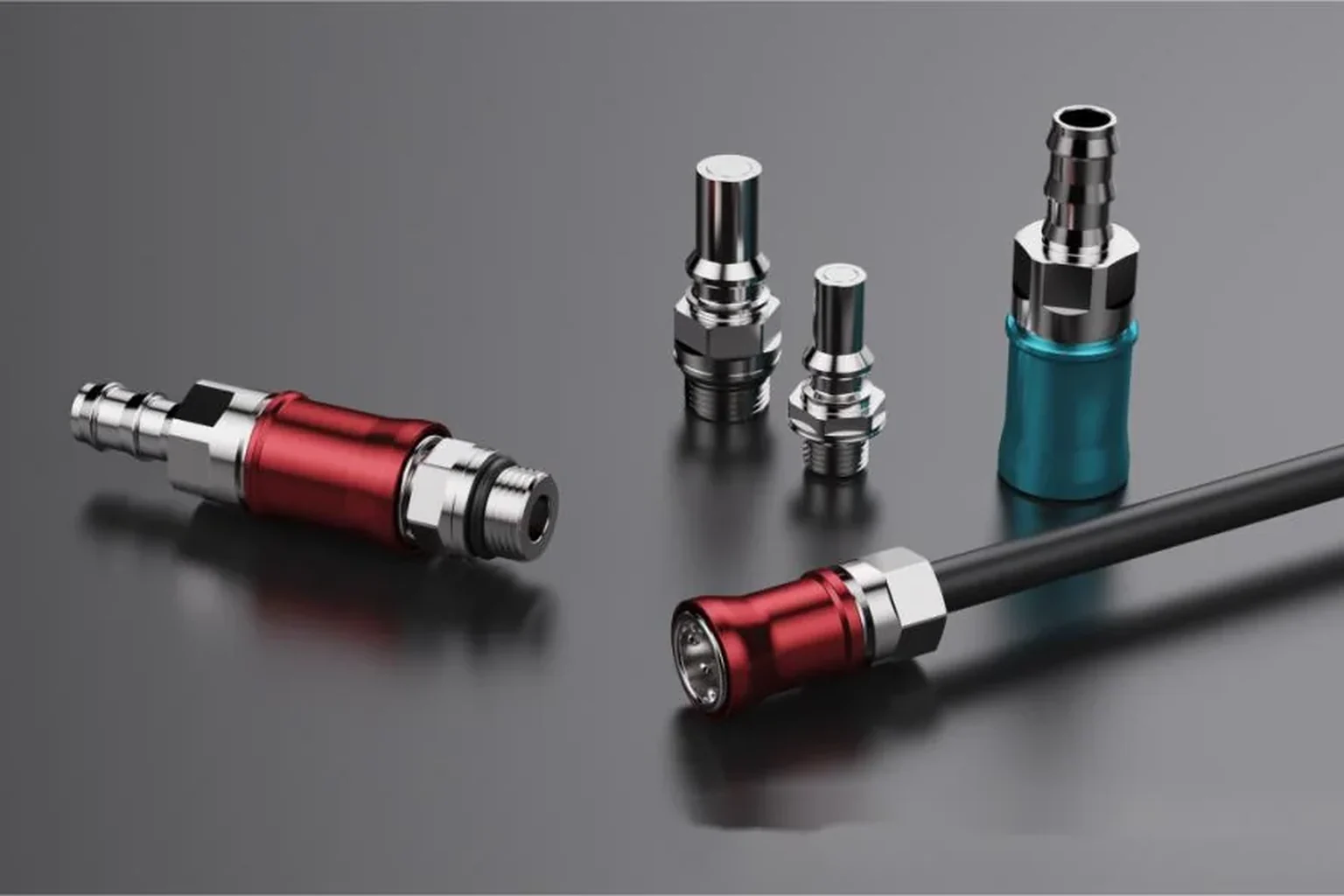
−40 °C … +75 °C
The transport and storage window the specification sets for these couplings: the number a van, a container or an unheated store has to stay inside. per the OCP UQD specification
FIFO
Rotate stock first-in first-out: a seal that has been sitting at the back of the shelf is the one to inspect before it is fitted.
Yearly audit
Storage conditions audited once a year, so the shelf becomes a documented condition rather than an assumption.
What a spares kit holds
Selected against the loop, not against a catalogue
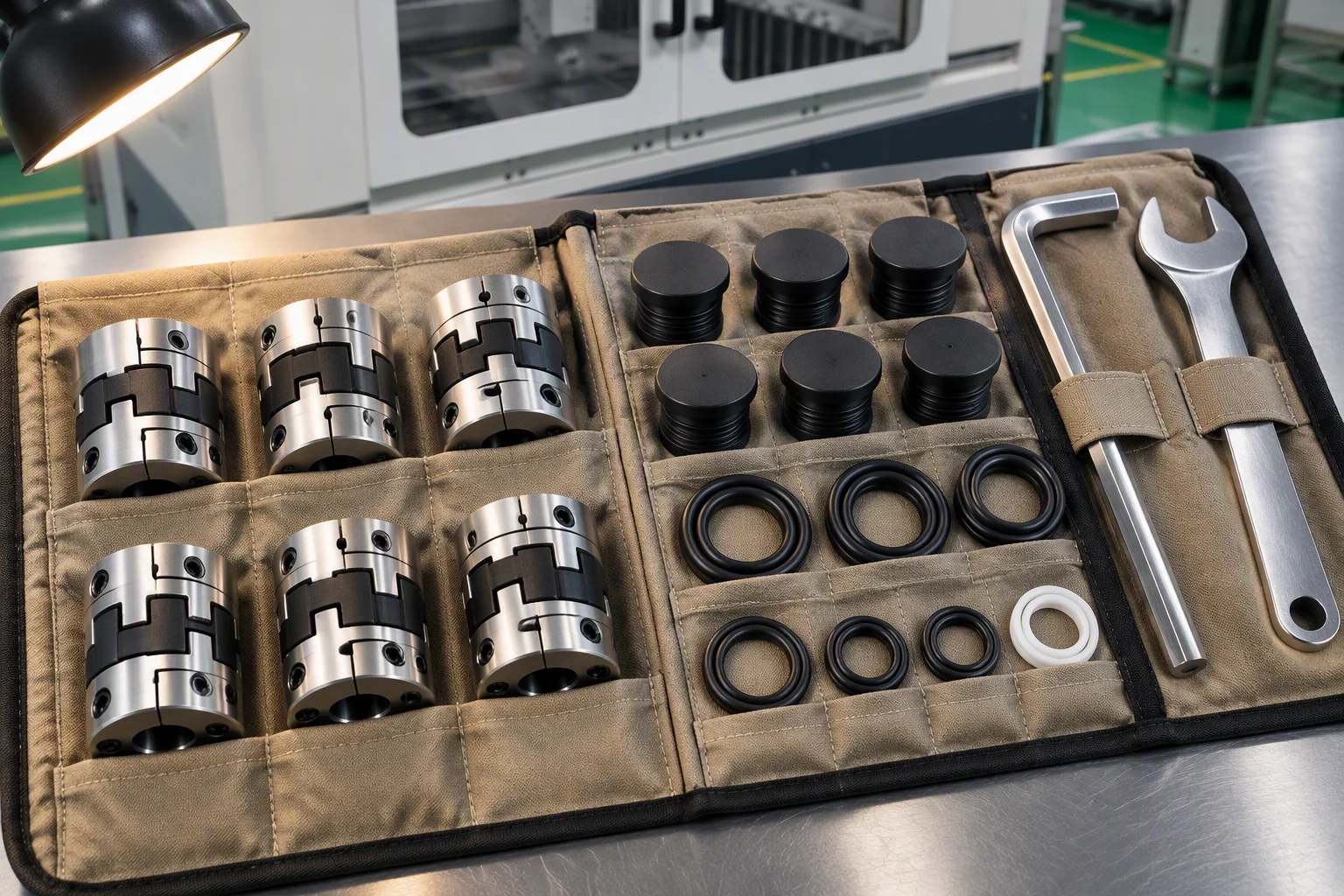
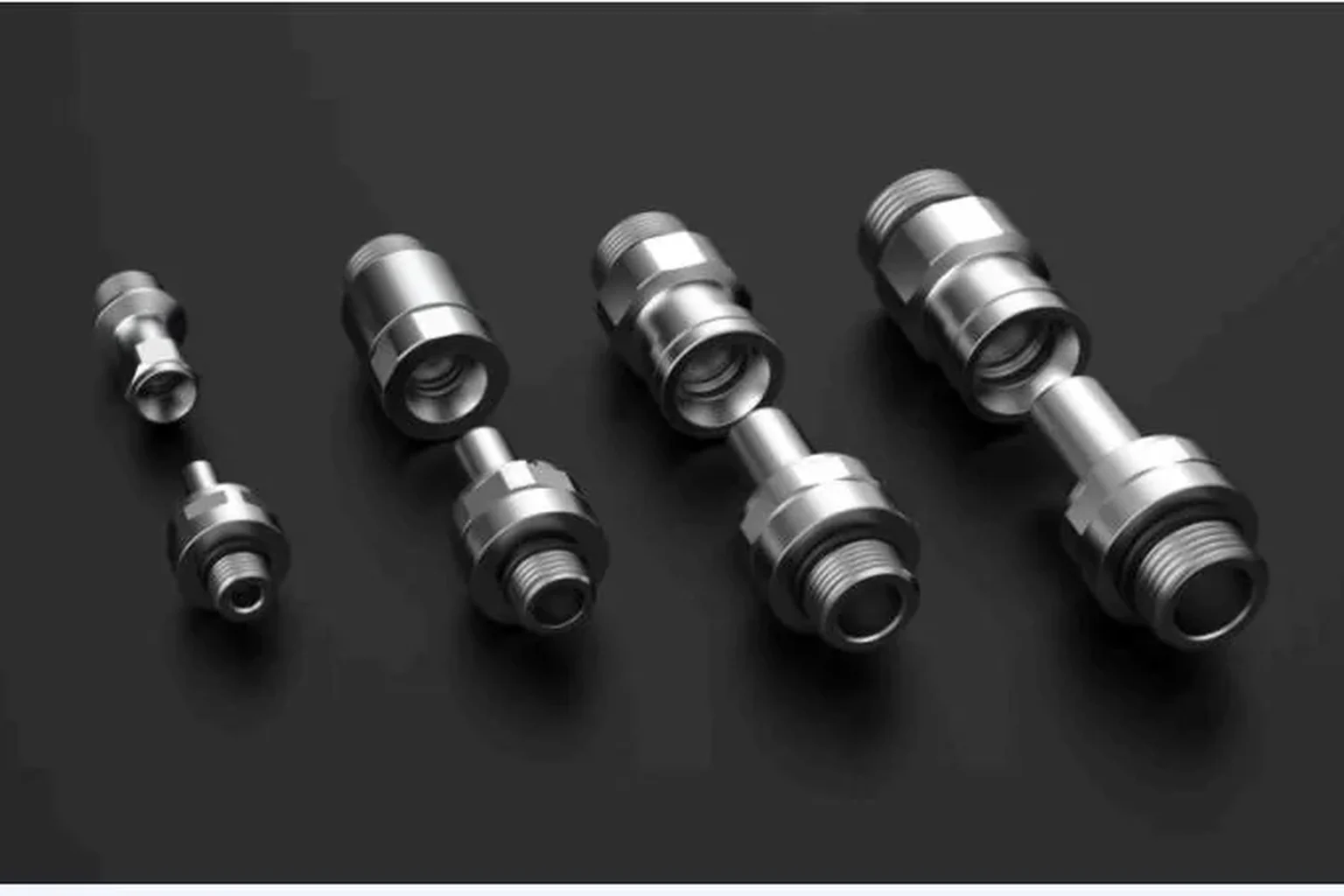
Replacement parts for retrofit work are on the colocation page; the couplings themselves are on the UQD page. If the question is interface compatibility rather than fluid chemistry, the CDU and OEM page and the FAQ both cover it.

Spares kit
What fluid is in your loop?
Send the fluid and the site tier. The reply is a spares kit selected against a PG25 75 / 25 baseline (industry-published benchmark), with the seal compatibility sheet and the storage guidance for it.
Request the spares kit One business day · English quote + a one-page spec sheet