
Fluid note · PG25 · two windows
Check the fluid, not the label
Compatibility is a programme — chemistry, two temperature windows, and seal validation per compound.
Send your fluid list01
Compatibility is a duration
It is not a question of whether the fluid can be used. It is a question of how long the seal still recognises that fluid — and what it looks like at the end of that time.
02
The lot matters, not the brand
One brand, one product name, two production lots, and the inhibitor package between them can be different. A fluid list with brand, lot, inhibitor package and water quality beats the sentence “we used PG25”.
03
Reference fluids are anchors
The specification names its compatibility baseline. Anything outside that baseline is validated case by case — it cannot be reasoned across from the reference by similarity.
Sources on this page: composition and inhibitor package (industry-published benchmark) · the reference fluids the specification names · two temperature windows · the cost magnitude of a fluid change.
What PG25 is, and what anchors it
Composition · inhibitor · reference fluids · water quality
Composition
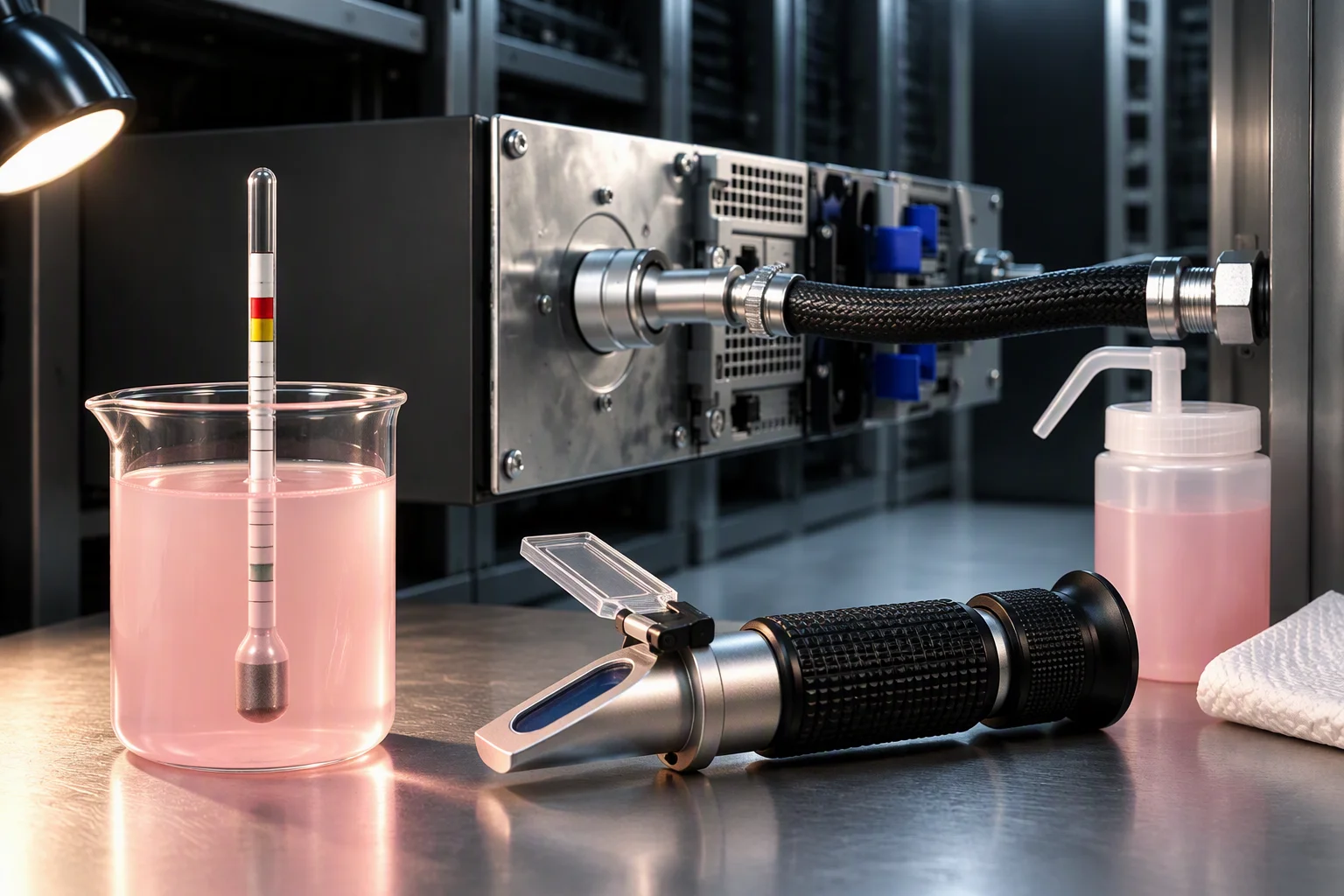
75% water · 25% propylene glycola 3:1 ratio by volume, with an inhibitor package added to it. The ratio is this note's own division of the two percentages. industry-published benchmark
Inhibitor package
The inhibitor package matters as much as the glycol it is dissolved in: it is what holds the metal and the seal behaviour over time. Two fluids with the same glycol content and different packages are not the same fluid. industry-published benchmark
Water quality
Specified by the fluid supplier. Untreated tap water is not a substitute for the water the supplier's own specification calls for, whatever the glycol ratio says.
Spec reference fluids
DOWFROST LC 25 and JEFFCOOL ISF-25, the two inhibited propylene-glycol reference fluids named in the specification, of the PG25 class. They are named in the standard as its compatibility baseline; naming them here is a technical reference, not a partnership. per the OCP UQD specification
A fluid list — brand, lot, inhibitor package, water quality — is worth more than the sentence “we used PG25”.
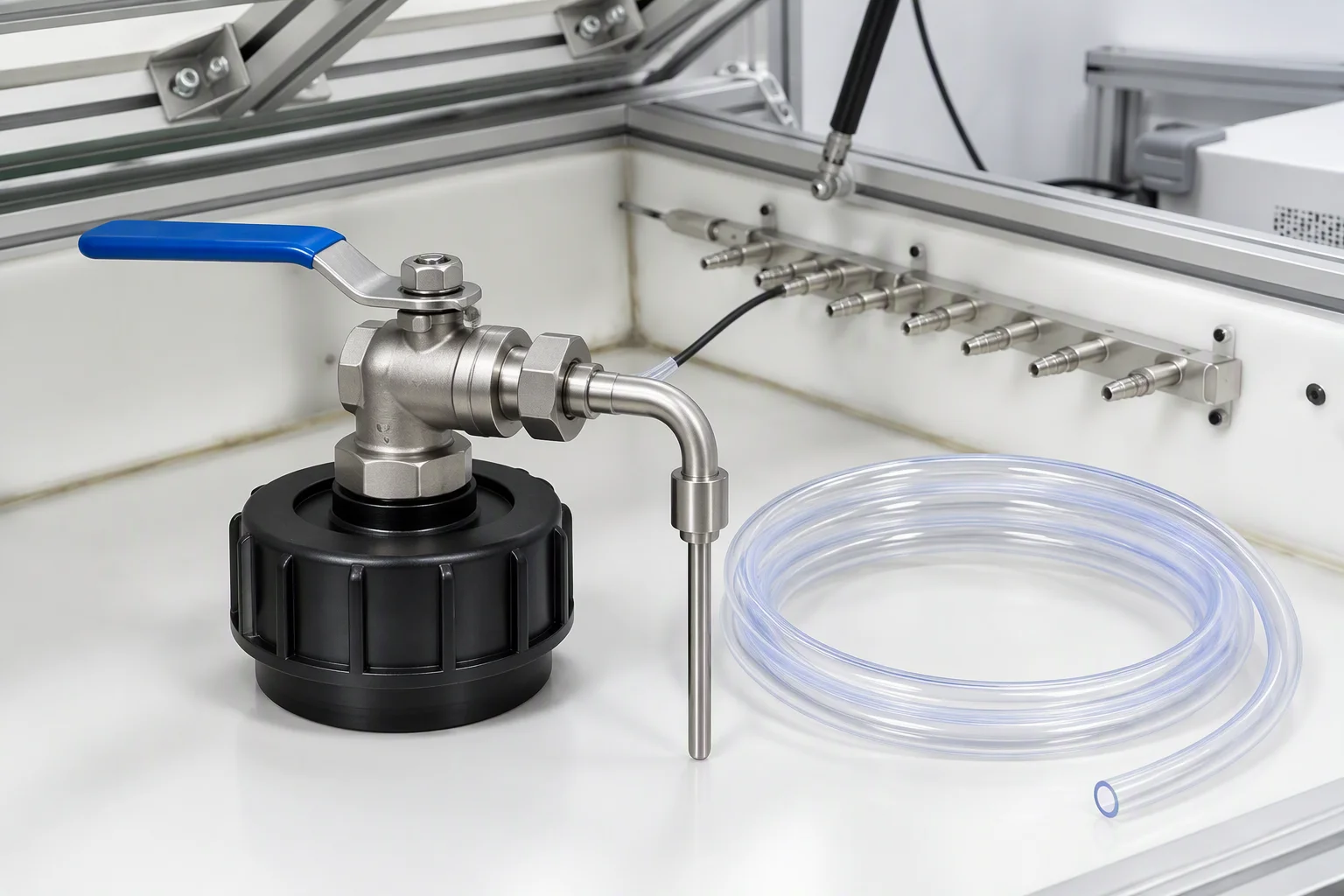
Sampling is how the list on the left gets filled in: one sample per lot, kept with the lot number it came from, so a later question about a loop can be answered from a record rather than from memory. A sample taken once at commissioning and never again describes the fluid as delivered, not the fluid as used.
Composition figures are industry-published. The 3:1 ratio is this note's own arithmetic on those two percentages.
Two windows, not one
Operating · transport and storage · the ratio between them
Operating window
17–27 °Cthe recommended coolant temperature entering the cold plate. This is a thermal design figure for the loop and the silicon, not a limit of the coupling. industry-published benchmark
Transport / storage window
−40…+75 °Cthe range the coupling itself is required to survive in transit and in storage, empty or filled. per the OCP UQD specification
The ratio
The transport band spans 115 °C and the operating band spans 10 °C, so the wider one is about 11.5 times the narrower. derived by this note from the two published windows
The two windows are different things: one is fluid and silicon thermal design, the other is what a coupling survives in a crate. Reading a transport figure as a design condition, or the operating figure as a coupling limit, is reading the wrong label.
How a seal gets validated
Compound · lot · substitution · seal side
01
Compound level
Validation runs compound by compound, never across a whole material family. Two compounds from the same family behave differently against the same fluid, and the family label hides that difference rather than covering it.
02
Per lot
Validation and retention are per production lot: the incoming fluid lot and the seal lot are recorded as a pair, so a later question about a loop can be answered against the pair that actually met.
03
Substitution
Changing the compound restarts the compatibility work and updates the file. An earlier conclusion belongs to the compound it was drawn on, and it does not transfer with the part number.
04
Seal side
The groove and the ring are judged together. When a joint weeps, look at the actual state of the groove before the material table — a damaged groove will fail with any compound in it.
Lot coding exists so a failure can be pointed back at one batch, not so a file looks tidy.
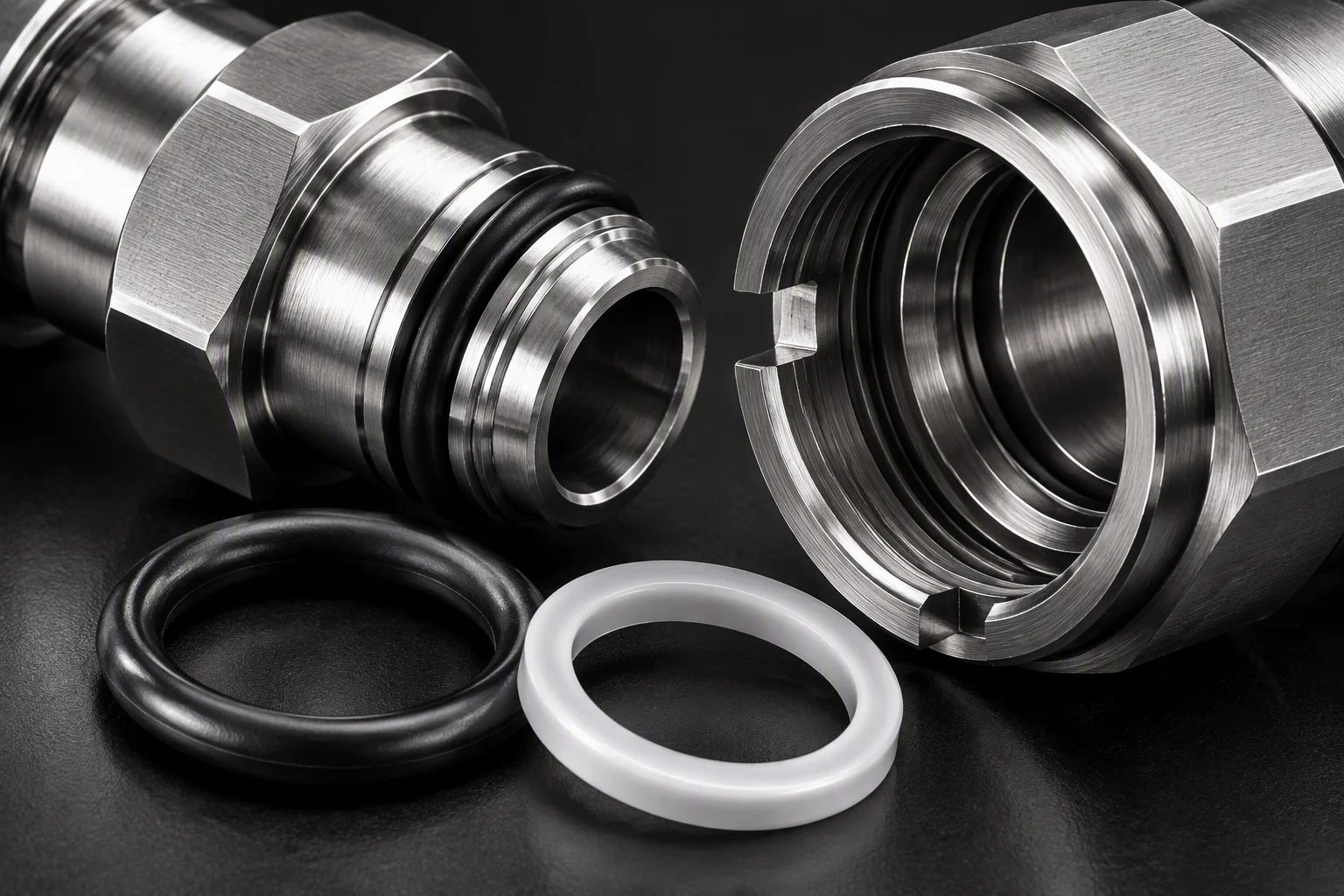
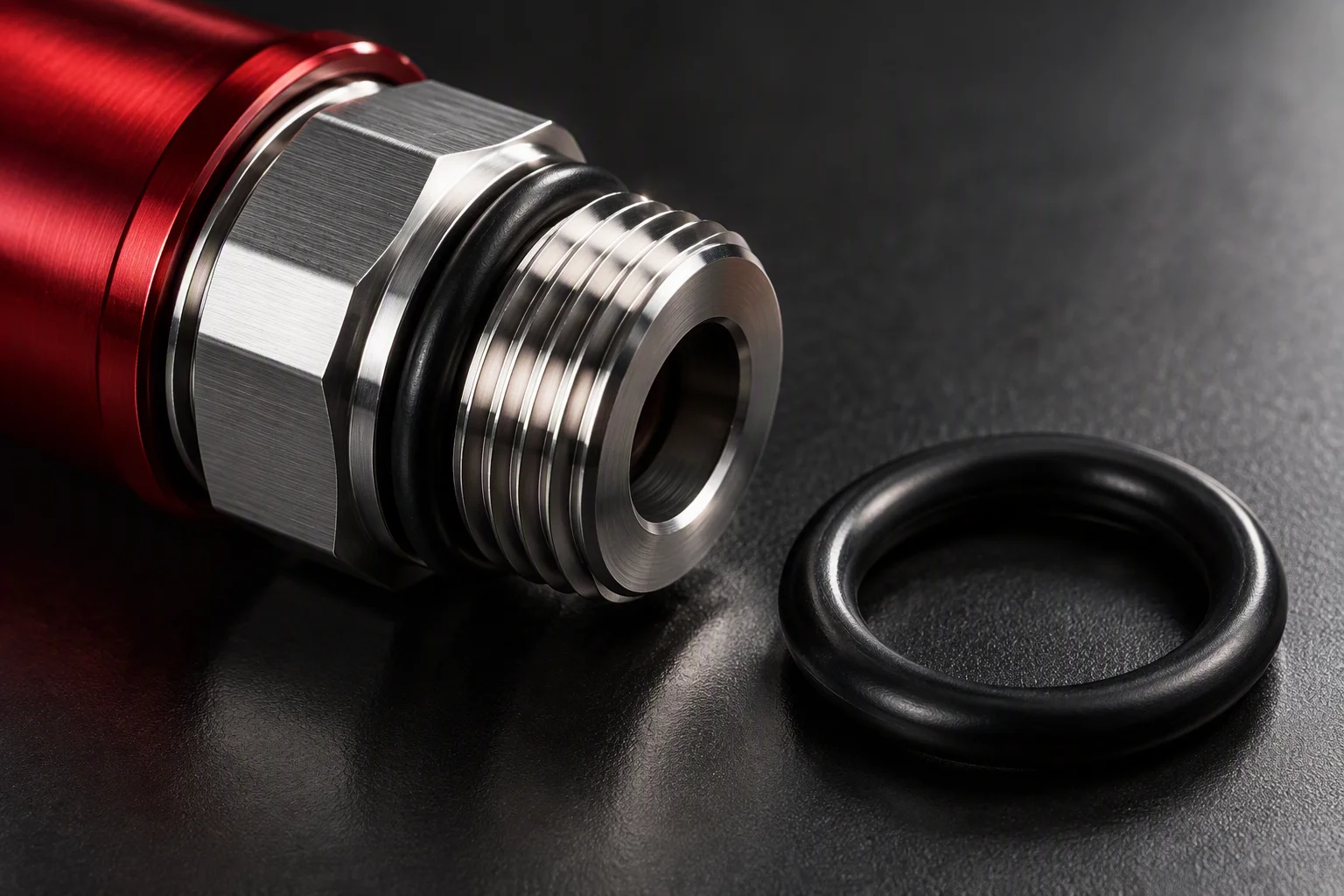
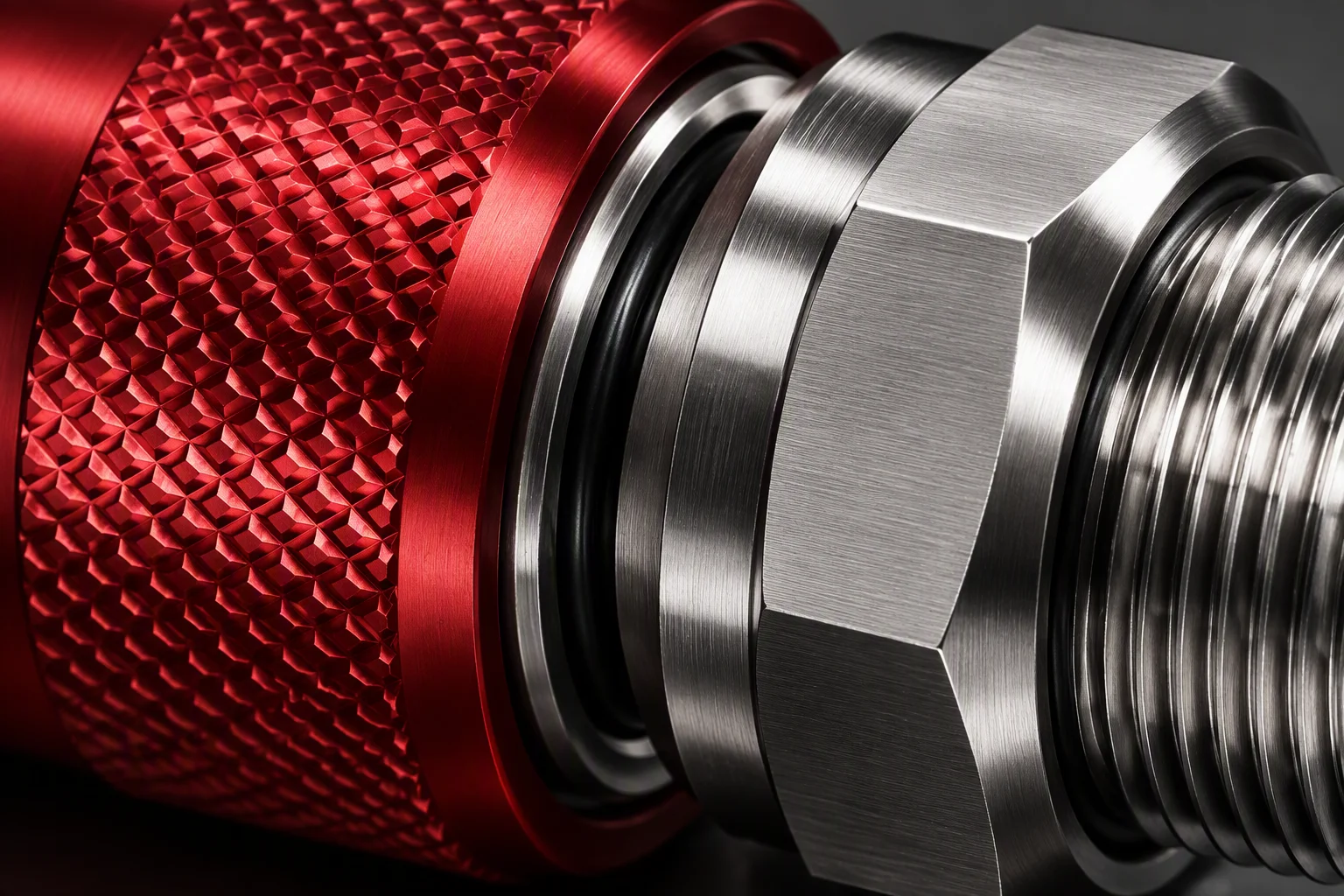

Compound-level validation is a programme with a file behind it, not a sentence on a datasheet. The parts of the coupling that meet the fluid are the parts above; the fluid is the one variable a buyer can bring their own list of.

What a wrong fluid costs
Per litre · per tub · per millilitre · scope
Two-phase immersion fluid
$50–90 per litreand an 800 L tub charge works out at $40k–72k of fluid. industry-published benchmark
Per millilitre
Eight hundred thousand millilitres against $40k–72k gives roughly $0.05–0.09 per ml. derived by this note
Scope
Those are prices for a two-phase immersion fluid — not for PG25, whose price is not part of this note's sources. The magnitude is the point: a fluid mistake is charged by tub volume, not by the number of couplings in the loop.
Changing the fluid means revalidating the programme, not editing a line in the bill of materials.
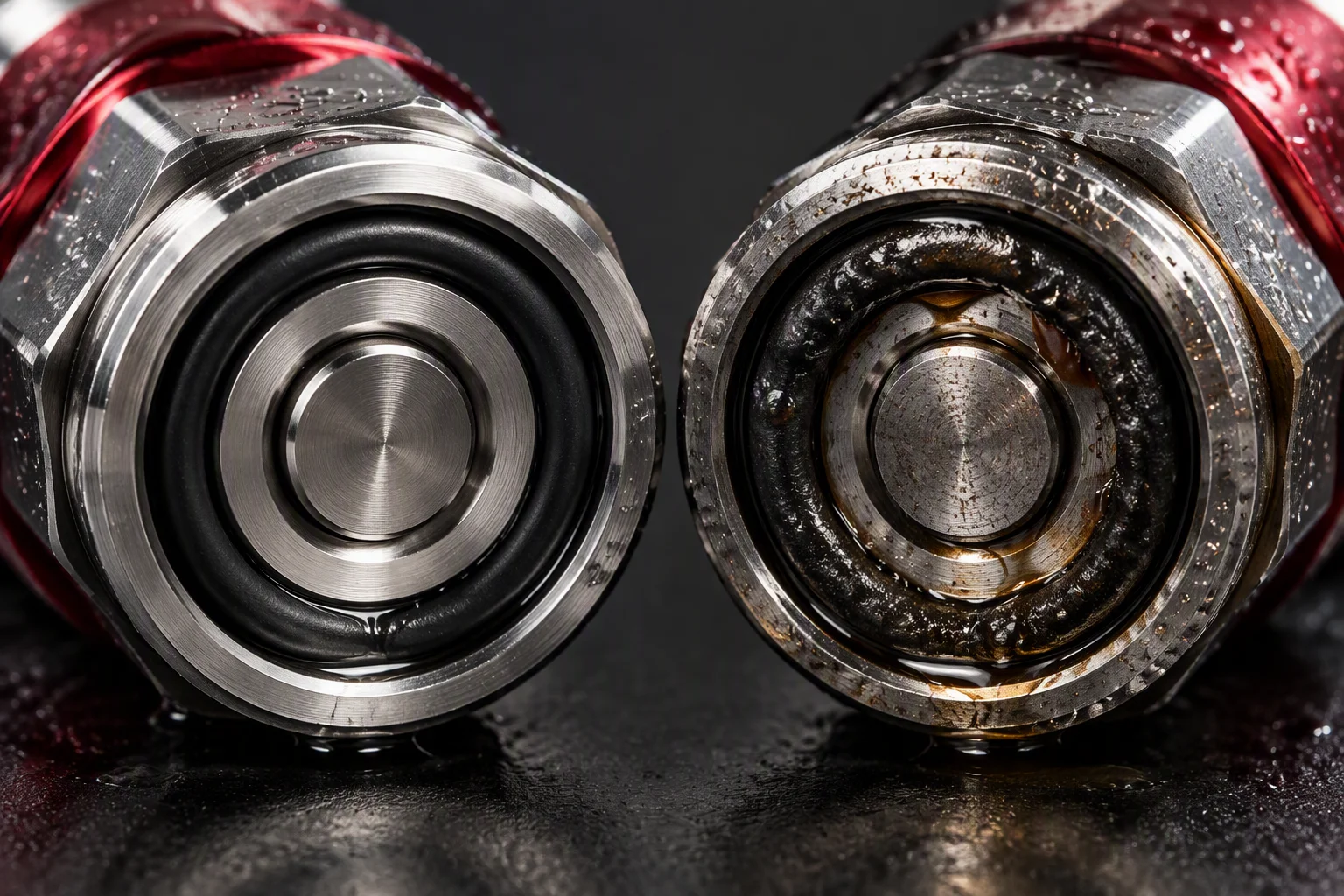
Prices quoted are for a two-phase immersion fluid and are used here only as an order of magnitude. The per-millilitre figure is this note's own division of the two published values.
The interfaces the fluid meets
Blind-mate family · installed run
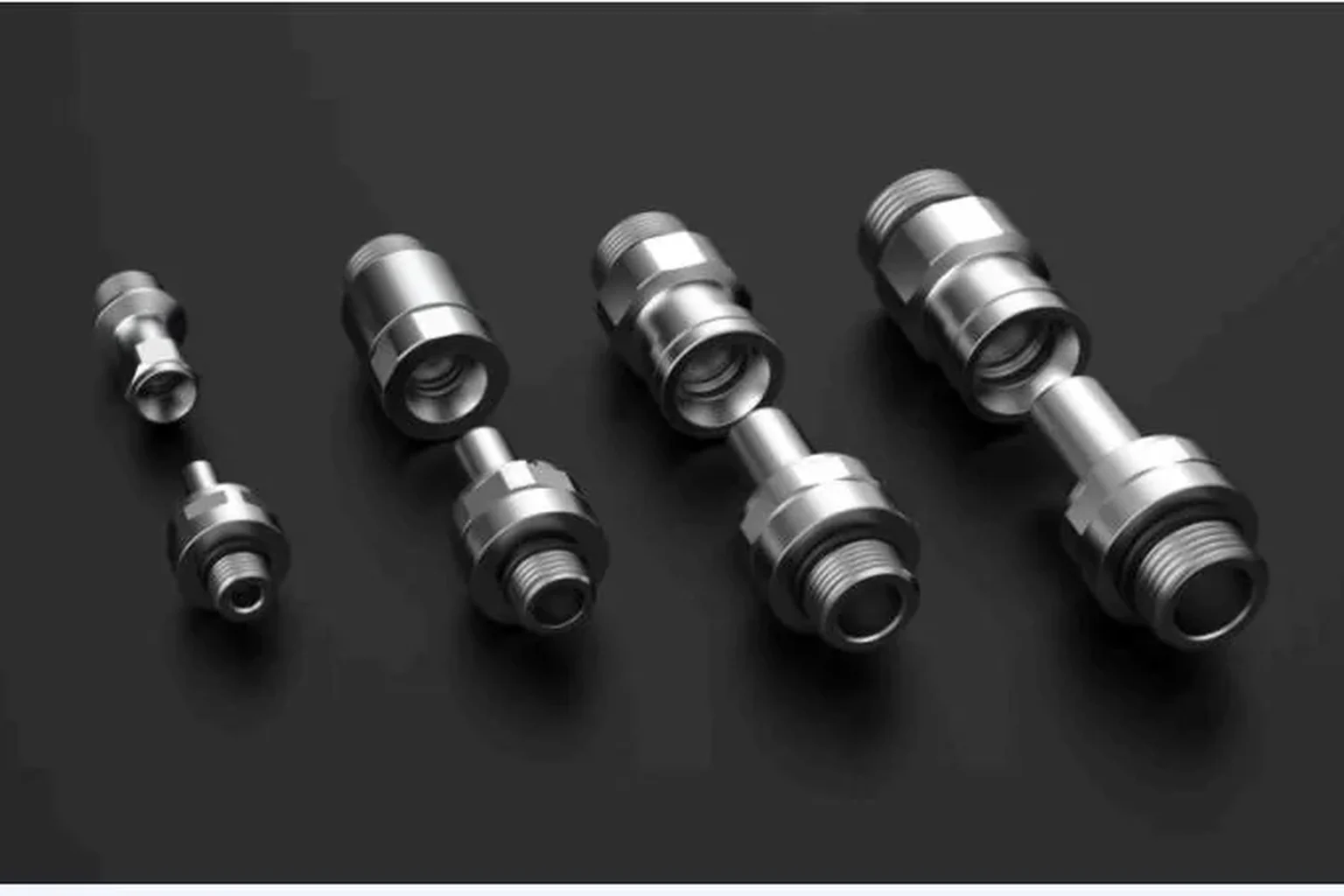

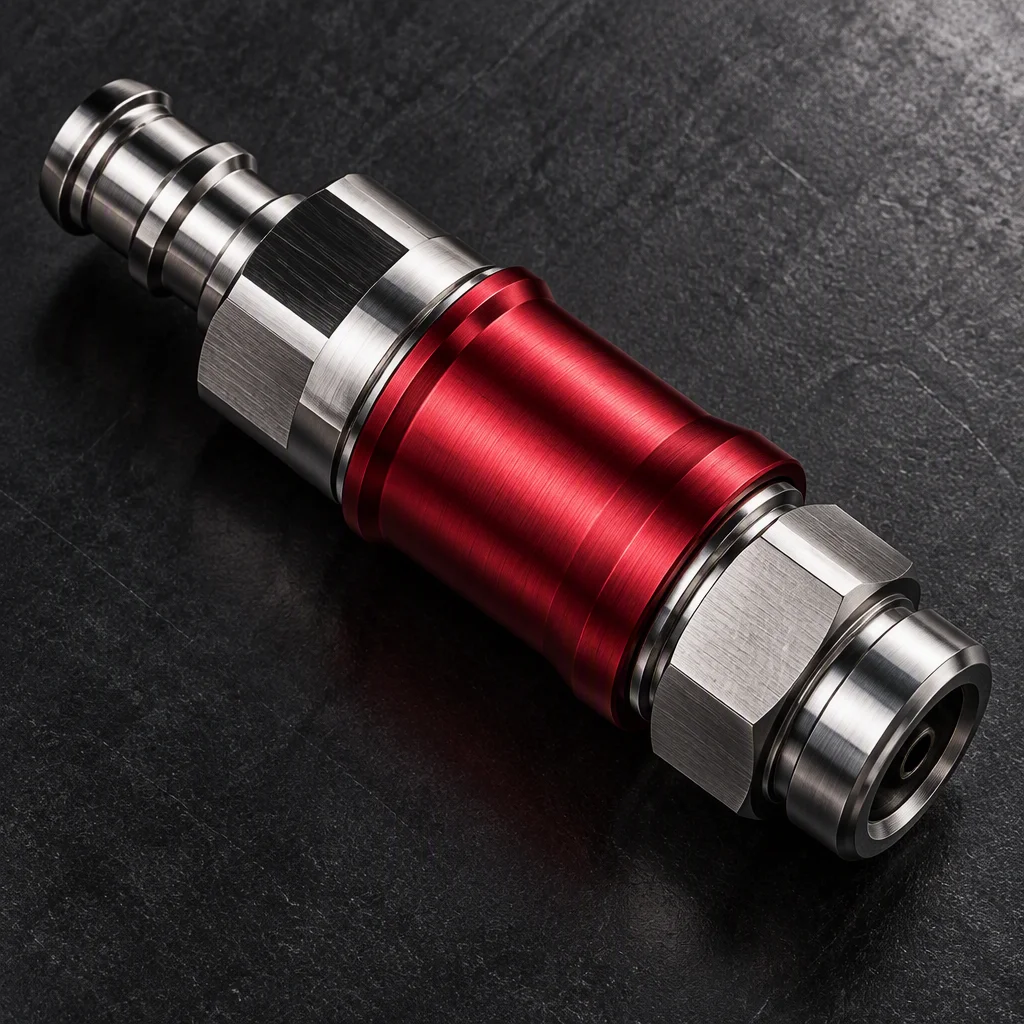
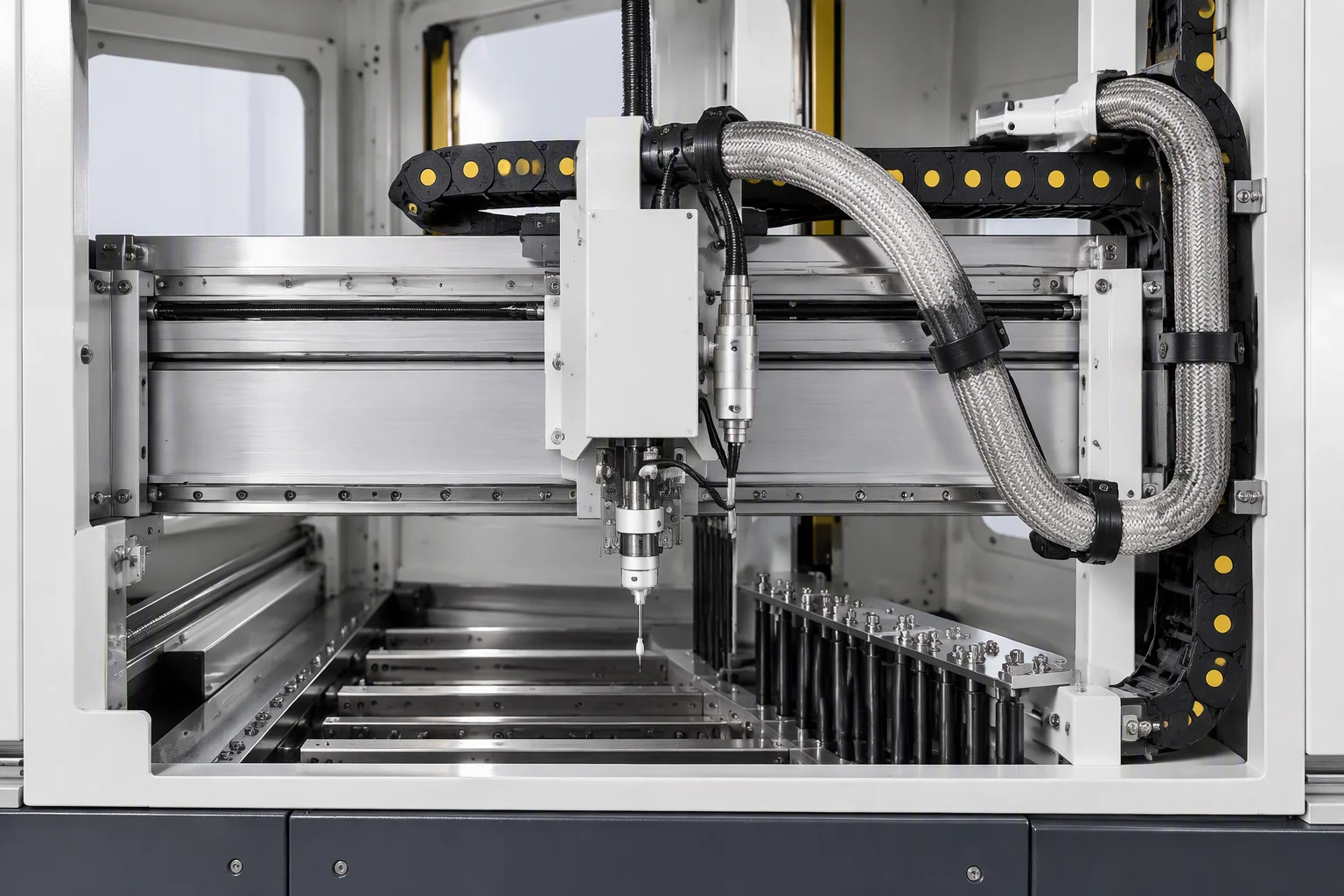
The surfaces in the two frames above are what a compatibility file is written about — which is why the file is written per compound and per lot rather than per product family.

Compatibility questionnaire
Which compound is actually touching your seals?
Send the fluid list — brands, lots, inhibitor packages and water quality. The compatibility questionnaire comes back walked compound by compound, starting from the PG25 baseline.
Request the questionnaire One business day · English quote + a one-page spec sheetPublished 2026-09-24 · when a figure in this note changes, the note is rewritten and the change is dated here. Composition, window and cost figures are industry-published; the 3:1 ratio, the 11.5× width comparison and the per-millilitre figure are this note's own arithmetic.